
printed circuit boards manufacturers
The design process of printed circuit boards (PCBs) is a critical aspect of PCB manufacturing, and it requires specialized software to ensure accuracy, efficiency, and functionality. Printed circuit boards manufacturers rely on a variety of design tools to create precise blueprints for their boards, which must meet stringent electrical, mechanical, and thermal requirements. The software used by these manufacturers enables designers to create, simulate, and validate PCB designs before moving on to production, ensuring that the final product meets the customer’s specifications.
One of the most widely used categories of software in the PCB design process is Electronic Design Automation (EDA) software. EDA tools are designed to assist engineers in designing electronic circuits and PCBs by automating many of the tasks involved, such as schematic capture, layout design, and routing. Printed circuit boards manufacturers typically utilize EDA software to convert initial design ideas into accurate and manufacturable PCB layouts. Popular EDA software includes tools like Altium Designer, Cadence OrCAD, Eagle PCB, and KiCad, all of which offer a range of features that streamline the design process.
Altium Designer is one of the most renowned software packages used by printed circuit boards manufacturers. It offers an integrated suite of tools that allow designers to perform schematic capture, PCB layout, and simulation all within a single platform. Altium Designer is favored for its intuitive user interface, comprehensive library of components, and advanced features, such as 3D visualization, which allows manufacturers to view their designs in a more realistic and functional manner. These capabilities are crucial when creating complex PCBs for a wide range of industries, from consumer electronics to medical devices.
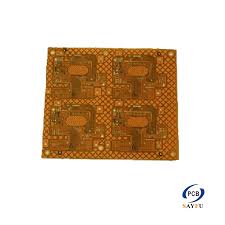
What software do printed circuit boards manufacturers use for design?
Cadence OrCAD is another widely used software tool by printed circuit boards manufacturers, particularly for designing and verifying complex PCBs. OrCAD is known for its powerful simulation capabilities, which help designers identify potential issues early in the design process. This includes signal integrity analysis, power integrity checks, and thermal analysis. By performing simulations, manufacturers can ensure that the final PCB will operate effectively under real-world conditions, reducing the likelihood of costly revisions during production.
Eagle PCB, a popular software choice among smaller manufacturers and hobbyists, is also used for PCB design. Eagle is known for its simplicity and affordability compared to more advanced EDA tools, making it a popular option for startups and small-scale printed circuit boards manufacturers. It provides essential features for schematic capture and PCB layout, along with a large community of users who share design libraries and offer support. While it may lack some of the more advanced capabilities of other software, Eagle is an excellent tool for simpler PCB designs and quick prototyping.
KiCad is an open-source PCB design tool that is gaining popularity among printed circuit boards manufacturers, especially those who need a free or low-cost solution for PCB design. KiCad offers many of the same features as commercial EDA tools, including schematic capture, PCB layout, and 3D visualization. Although KiCad lacks some of the advanced simulation capabilities of tools like Altium or Cadence, it is an excellent option for designers looking for a powerful yet cost-effective solution.
In addition to EDA tools, printed circuit boards manufacturers also use specialized software for other aspects of the design process. For example, software for thermal analysis, such as ANSYS or COMSOL Multiphysics, is used to model heat dissipation and prevent thermal issues in high-performance PCBs. Similarly, manufacturers may use mechanical design software, such as AutoCAD or SolidWorks, to ensure that the PCB fits within the physical constraints of the device it is being designed for.
In conclusion, printed circuit boards manufacturers rely on a range of sophisticated software tools to design and manufacture high-quality PCBs. EDA tools such as Altium Designer, Cadence OrCAD, Eagle PCB, and KiCad provide the foundation for schematic capture, layout design, and simulation, ensuring that PCBs meet performance and reliability standards. By using these software packages, manufacturers can efficiently and accurately design PCBs that will function as intended in a wide variety of electronic devices. As PCB technology continues to evolve, software tools will also advance, offering even more powerful capabilities to meet the growing demands of the electronics industry.

