
Safety is a non-negotiable priority on commercial construction sites. Electrical work introduces risks such as shock, arc flash, falls, and fire hazards, making clear standards essential for protecting crews and keeping projects on schedule. For electricians working in fast-paced environments like commercial builds across Texas, following established safety requirements is both a legal obligation and a professional expectation.
Core safety standards governing electrical job sites
OSHA regulations and workplace safety
The foundation of electrical jobsite safety in the United States comes from federal workplace regulations. These rules define minimum requirements for personal protective equipment, fall protection, hazard communication, and safe work practices. Electricians must be trained to recognize unsafe conditions and understand how to mitigate them before work begins. Many contractors require proof of OSHA safety training before allowing access to active jobsites.
Lockout/tagout and energized work rules
One of the most critical standards involves controlling hazardous energy. Lockout/tagout procedures ensure circuits are de-energized and cannot be accidentally reactivated while work is in progress. When energized work is unavoidable, strict guidelines dictate the use of insulated tools, protective clothing, and clear work boundaries. Adhering to these standards reduces the risk of serious injury and keeps crews compliant during inspections.
Personal protective equipment requirements
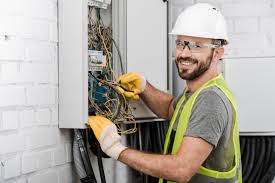
Proper protective gear is mandatory on commercial sites. This includes hard hats, safety glasses, gloves rated for electrical work, and arc-rated clothing when required. For electricians, selecting the correct PPE depends on voltage levels, task type, and jobsite conditions. Consistent use of PPE demonstrates professionalism and helps contractors maintain strong safety records.
National Electrical Code compliance
Beyond personal safety, installation standards also play a role. The National Electrical Code outlines safe methods for wiring, grounding, bonding, and equipment installation. Following these guidelines helps prevent fires, equipment damage, and future hazards for building occupants. Inspectors rely on NEC compliance to approve work, making it essential for electricians to stay current with code updates.
Jobsite communication and hazard awareness
Safety standards extend beyond tools and equipment. Clear communication between crews, supervisors, and other trades is vital. Daily safety meetings, job hazard analyses, and clear signage help prevent accidents in crowded work environments. Experienced field professionals understand how coordination keeps projects moving while reducing risk, especially when deadlines are tight and multiple trades share the same space.
Training, experience, and contractor expectations
Commercial contractors value workers who can step onto a site and operate safely from day one. Teams led by individuals who have personally worked in the field understand the realities of commercial construction—long hours, evolving site conditions, and pressure to stay on budget. That practical experience shapes how safety standards are enforced and why qualified electricians are worth investing in for long-term project success.
Ongoing education is a key part of maintaining safety compliance. Many standards evolve as technology and best practices improve, requiring periodic retraining. Programs related to workplace safety enforcement help ensure crews remain aligned with current expectations and regulations.
Ultimately, safety standards protect workers, contractors, and clients alike. They reduce downtime, prevent costly incidents, and support consistent project delivery. For companies seeking skilled professionals who understand both electrical work and jobsite safety, resources like flextechnow.com highlight the importance of experience-driven staffing solutions that keep commercial construction moving forward safely and efficiently.


