
Materials Are Used in PCB Board Fabrication
PCBs are used in a wide range of electrical projects, some of which focus on high-frequency operation, while others only require LEDs to blink. No matter what the project focuses on, different materials are used in PCB board fabrication to serve the specific needs of the project. The types of material used to make a PCB are based on several factors, including cost-effectiveness and electrical performance.
The first step in the PCB fabrication process is to conduct a design review, which involves checking whether or not a design can be turned into a functional prototype. The next step is to print the PCB layout onto films, which are then applied to the PCB material layers. The film acts as a guide for the manufacturing process. Next, the copper layer is etched to create the PCB’s conductive pathways. This process is performed using various chemicals that help remove the copper layer to create the desired circuitry.
Once the copper layer is etched, holes are drilled into the pcb board fabrication to connect components. The plated through-holes are then filled with either gold, nickel or copper. Gold is preferred for its conductivity, while nickel is more economical and is able to withstand high temperatures. Nickel also provides good corrosion resistance. Finally, copper is a great choice for connecting power to the traces and pads.
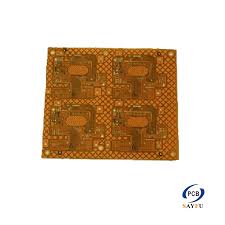
What Materials Are Used in PCB Board Fabrication?
After the through-holes are filled, the board is sprayed with a green solder mask to protect the copper from contaminants and allow the board to be assembled. Then, silk screen printing is applied with white ink, which allows for easy identification of the corresponding connections.
Throughout the PCB fabrication process, it’s important to pay attention to the dielectric constant and dielectric loss of the materials being used. A low dielectric constant value means that signals can move through the material quickly and efficiently, which helps maintain signal integrity and quality. A high dielectric constant value, on the other hand, can cause signal distortion and decrease efficiency.
Another important factor to consider when selecting a PCB material is its thermal properties. High-quality materials have a high thermal conductivity that ensures the board can disperse heat effectively, which is vital for ensuring that the circuit boards are safe to use in real-world applications.
There are many types of materials available for a PCB, and it’s essential to understand the differences in order to choose the best one for your application. Some common PCB materials include FR-4, which is made of fiberglass and epoxy resin, and cyanate ester or polyimide, which are more durable and able to withstand higher stresses.
The type of material you choose will depend on your specific needs, including the environment and the maximum temperature it’s likely to be exposed to. Choosing the right material can mean the difference between a life-saving device and a costly failure. It’s worth spending a little extra money for the right material in order to get a robust and reliable product. That’s why it’s important to work with a company that specializes in fast PCB prototyping.