
pcb prototype and assembly manufacturing
Design for Assembly (DFA) serves as a cornerstone in the realm of PCB prototype and assembly manufacturing, playing a pivotal role in streamlining production processes, enhancing efficiency, and minimizing costs. DFA encompasses a set of principles and methodologies aimed at optimizing the design of printed circuit boards (PCBs) to facilitate seamless assembly, reduce complexity, and mitigate potential manufacturing challenges. Understanding the significance of DFA in PCB manufacturing is essential for achieving optimal outcomes and ensuring the success of electronic products.
One of the primary roles of DFA in pcb prototype and assembly manufacturing is to simplify the assembly process by minimizing the number of assembly steps and reducing the overall complexity of the design. By strategically arranging components, optimizing component orientation, and minimizing the number of unique parts, DFA enables efficient assembly workflows that require fewer manual interventions and reduce the risk of errors or defects. Simplifying the assembly process not only accelerates production but also enhances reliability and reduces manufacturing costs.
Moreover, DFA aims to enhance assembly efficiency by designing PCBs for automated assembly techniques, such as surface mount technology (SMT) and through-hole assembly. By considering factors such as component compatibility, placement accuracy, and soldering requirements, DFA enables seamless integration with automated assembly equipment, thereby reducing labor costs, improving throughput, and ensuring consistent quality across production batches. Designing for automated assembly streamlines the manufacturing process and enables scalability for high-volume production.
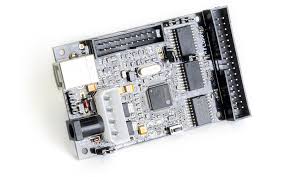
What is the role of design for assembly dfa in pcb prototype and assembly manufacturing?
Another key aspect of DFA in PCB manufacturing is optimizing the placement of components to minimize assembly time and maximize space utilization. By clustering components according to their functional relationships, minimizing component-to-component distances, and aligning components with the direction of assembly, DFA reduces the time and effort required for component insertion, soldering, and inspection. Efficient component placement not only enhances assembly efficiency but also improves signal integrity, thermal management, and overall product reliability.
Furthermore, DFA plays a crucial role in ensuring manufacturability by considering assembly-related factors early in the design process. By evaluating component accessibility, orientation constraints, and assembly sequence requirements, DFA helps identify potential manufacturing challenges and design constraints upfront, allowing for timely adjustments and optimization. Addressing manufacturability concerns during the design phase mitigates the risk of costly redesigns, rework, or delays during production and assembly.
Additionally, DFA facilitates the integration of design features that enhance testability and inspection capabilities, thereby improving quality control and fault detection during manufacturing. By incorporating test points, access points, and built-in self-test (BIST) features into the design, DFA enables comprehensive testing and diagnosis of electrical faults, ensuring that PCB assemblies meet quality standards and performance requirements. Designing for testability reduces test time, improves fault detection capabilities, and enhances overall product reliability.
In conclusion, the role of Design for Assembly (DFA) in PCB prototype and assembly manufacturing is paramount for optimizing production processes, enhancing efficiency, and ensuring product quality and reliability. By simplifying the assembly process, designing for automated assembly, optimizing component placement, and addressing manufacturability concerns, DFA enables streamlined production workflows, reduces manufacturing costs, and accelerates time-to-market for electronic products. Embracing DFA principles and integrating them into the design process empowers manufacturers to achieve excellence in PCB manufacturing and deliver innovative solutions that meet the demands of today’s dynamic marketplace.


