
importance of component placement in pcb and pcba layout
In the intricate realm of printed circuit boards (PCBs) and printed circuit board assemblies (PCBAs), where every component placement decision can significantly impact performance, reliability, and manufacturability, the importance of strategic component placement cannot be overstated. From optimizing signal integrity to minimizing electromagnetic interference (EMI) and streamlining assembly processes, the layout and arrangement of components play a pivotal role in shaping the functionality and efficiency of electronic devices.
One of the foremost considerations in pcb and pcba layout design is signal integrity, which refers to the preservation of signal quality and fidelity as it traverses the circuitry. Proper component placement is essential for minimizing signal degradation due to impedance mismatches, parasitic capacitance, and inductive coupling. By strategically positioning high-speed signal traces, critical components, and decoupling capacitors, designers can mitigate signal reflections, crosstalk, and noise, thereby ensuring reliable data transmission and optimal performance of the circuit.
Moreover, thoughtful component placement is paramount for minimizing electromagnetic interference (EMI) and maintaining electromagnetic compatibility (EMC) within the system. By carefully segregating sensitive analog and digital components, grounding planes, and power supplies, designers can reduce the likelihood of EMI emissions and susceptibility to external electromagnetic fields. This is particularly critical in applications where stringent EMC standards must be met to prevent interference with other electronic devices or regulatory compliance issues.
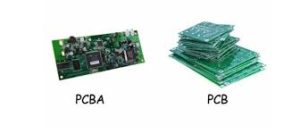
What is the importance of component placement in pcb and pcba layout?
Efficient thermal management is another crucial aspect influenced by component placement in PCB and PCBA layout. Electronic components generate heat during operation, and inadequate heat dissipation can lead to thermal stress, premature component failure, and degraded performance. By strategically positioning components to optimize airflow, thermal vias, and heat sinks, designers can mitigate hot spots and ensure uniform heat distribution throughout the board, thereby enhancing reliability and extending the lifespan of the electronic device.
Furthermore, component placement plays a significant role in optimizing the manufacturability and assembly process of PCBs and PCBAs. Design for manufacturability (DFM) principles dictate that components should be arranged to minimize assembly complexity, reduce soldering defects, and facilitate automated assembly techniques such as surface mount technology (SMT). By clustering components with similar footprints, orienting components for easy access by pick-and-place machines, and adhering to assembly guidelines, designers can streamline the manufacturing process and minimize production costs.
In addition to technical considerations, aesthetic factors also come into play when determining component placement in PCB and PCBA layout. While aesthetics may seem secondary to functionality, visually appealing layouts can enhance the perceived quality of the product, instill confidence in end-users, and differentiate the product in the marketplace. By organizing components in a logical and symmetrical manner, minimizing clutter, and incorporating branding elements or decorative graphics, designers can create visually striking layouts that captivate and engage users.
Overall, the importance of component placement in PCB and PCBA layout cannot be overstated. From optimizing signal integrity and minimizing EMI to enhancing thermal management and streamlining manufacturing processes, strategic component placement is essential for maximizing efficiency, reliability, and performance in electronic devices. By adhering to best practices in layout design and leveraging advanced simulation and optimization tools, designers can unlock the full potential of PCB and PCBA layouts, delivering innovative solutions that meet the evolving demands of the electronics industry.


