
industries use pcb board assembly manufacturings
The vast majority of modern-day electronic devices rely on PCBs to communicate and control critical functions. This includes everything from mobile phones, tablets and laptops to automotive electronics, medical devices, robots, power equipment, and more. With this technology at their fingertips, manufacturers in a variety of industries are constantly leveraging pcb board assembly manufacturing for new and exciting applications.
Before a PCB can be assembled, it must first undergo a thorough inspection and verification process to ensure that all necessary components are available for use. This includes checking for accurate inventory of resistors, capacitors, diodes, transistors, integrated circuits, and other components that must be present prior to soldering. Additionally, the PCB must be free of any defects or imperfections that may impact the integrity and reliability of the finished product.
After a PCB has undergone inspection and verification, the next step in the manufacturing process is to apply solder paste stencils to designated areas of the board. This allows for the precise application of molten solder to the copper layers of the PCB, which will then connect all the electrical components. Various soldering techniques can be used, depending on the needs of each particular design. High-volume production usually involves a pick-and-place machine and bulk wave soldering for through-hole components, while skilled technicians can also hand-solder delicate SMT parts (such as 0201 packages) using tweezers and a fine-tip soldering iron.
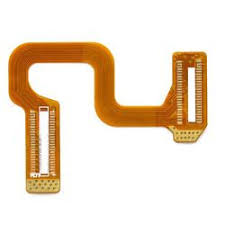
What industries use pcb board assembly manufacturings?
For high-performance devices, the PCB must be able to handle a variety of environmental conditions. To accommodate this, industrial PCBs often feature a durable construction with rugged metals and thermal-resistant materials. Additionally, they may incorporate plated-through holes to strengthen the connection between the inner and outer layers of the PCB, making them more resilient against vibrations, harsh chemicals, and other hazards found in industrial facilities.
In addition to ensuring the safety of their products, manufacturers must comply with a variety of industry standards and regulations. These include guidelines for component sourcing, soldering techniques, cleanliness standards, and overall manufacturing practices. In-process testing also plays an essential role in the pcb board assembly process, catching any errors or flaws that may have occurred during production before they become more severe.
The PCB assembly process is not without its challenges. One significant issue is the increasing miniaturization of electronic components. As devices become smaller, components must be placed closer together, making precise placement and soldering more difficult. Additionally, the complexity of multi-layer boards requires careful management of thermal profiles during soldering to avoid damage.
Continuing innovation in the field of PCBs promises to bring greater efficiency and flexibility to electronics production. Emerging trends in pcb board assembly manufacturings include advanced automation, lead-free options for soldering, and more. These advances are allowing manufacturers to produce complex electronic devices more quickly and accurately than ever before, while still meeting stringent quality standards and a commitment to responsible production processes.