
Methods Used to Evaluate Megtron 7 PCBs
Printed circuit boards (PCBs) are made of several layers, including copper and other metals. These metals are bonded together to form a durable and efficient circuit board. They also have a high surface area, which is ideal for conducting electric currents and signals. To maximize the effectiveness of these PCBs, manufacturers need to test them for defects. To do this, they must use testing methods such as in-circuit testing (ICT), flying probe testing, automated optical inspection, and burn-in testing.
These tests are typically performed during the prototyping process and can help prevent expensive production mistakes. They can also detect problems that would be impossible to detect with the naked eye, such as solder defects or cracks in the laminates. In addition, a functional test verifies the product’s behavior in its end-use environment. Depending on the type of product, this test may require the use of additional components.
PCB functional testing involves putting the megtron 7 board through electrical or thermal tests to verify that it meets specific requirements. During this process, the circuit board is subjected to high temperatures and voltages for long periods of time. Depending on the PCB and its intended use, the tests may also be designed to simulate other environmental stresses.
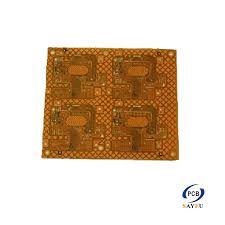
Testing Methods Used to Evaluate Megtron 7 PCBs
In-circuit testing (ICT) is one of the most popular and reliable PCB testing methods. It is used to verify the bare board fabrication process and ensure that it will be reliably assembled into an electronic product. This testing method is usually carried out using a set of probes that connect to the components on the PCB. It can also be used to verify the connections between these components. This allows the tester to identify any defects or flaws in the design of a PCB.
X-ray inspection is another effective way to inspect a PCB for defects. It uses a highly sensitive imaging system to detect voids, cracks, and delamination in the board’s various layers. This is an effective way to check the quality of a PCB, especially if it contains complex internal structures. It can also be used to inspect components that are not visible, such as connectors and ball grid arrays (BGAs).
In-circuit testing is a great way to check the integrity of a PCB before it goes into production. It is essential for ensuring that the final product will be functional and reliable in its intended environment. It also helps reduce the risk of defective products that could cause injuries or deaths to consumers. To improve the accuracy of ICT testing, it is important to include a quality assurance program that includes the use of certified reference materials, field and lab blanks, and participation in interlaboratory studies. In addition, ICT analysis should be conducted in a clean room to avoid contamination of the sample.

