
Prototype PCB Production Cost
The PCB production process has many different elements that can influence the overall cost of a prototype. From board size and layer count to material choices and surface finishes, each aspect plays a role in the final price of a finished product. Understanding these critical factors will help you budget accurately and avoid unpleasant surprises down the line.
Board Dimensions and Layer Count: As the complexity of your design increases, so will your prototyping costs. This is primarily due to the fact that larger boards require more materials and manufacturing processes to produce. Most PCB manufacturers offer pricing tiers for board sizes, with larger sizes commanding a premium. For example, a 2-layer 5cm x 5cm PCB with standard specifications may cost around $5, while a 20cm x 20cm double-layer board with specialized solder mask requirements could cost up to $40.
In addition, certain material selections can significantly increase the cost of a prototype pcb production. For instance, opting for a high-quality copper (HASL) substrate and laminate can improve the performance of your circuit board, but it also adds to its overall expense. In contrast, a basic FR-4 material offers superior durability and conductivity at a lower price point.
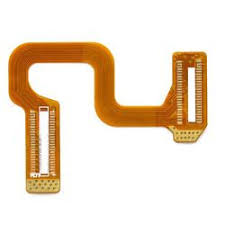
How Much Does Prototype PCB Production Cost?
PCB Prototype Quantity and Delivery Requirements: The more complex your design is, the more testing and validation it will need to ensure functionality and reliability. For this reason, it’s typically more cost-effective to order multiple prototype units rather than a single unit. This will allow you to test each component in-depth and identify and resolve issues before they become costly revisions or delays.
Additionally, if you’re willing to place a larger order with your chosen manufacturer, you can reap the benefits of economies of scale. This will reduce the cost of your prototyping order by lowering fixed expenses like tooling, programming, and panel preparation.
When placing your prototype PCB order, be sure to clearly communicate your design specifications to the manufacturer. This will prevent any assumptions that could lead to discrepancies in the quoting process. It’s also a good idea to provide a list of all components and their individual part numbers so that the manufacturer can accurately quote for your project.
Lastly, be sure to request quotes from several reputable manufacturers to compare pricing and lead times. It’s important to remember that rushed orders often come with premium pricing as the manufacturing process must be expedited. If possible, plan ahead and consider establishing long-term partnerships with your preferred manufacturers to enjoy competitive rates and streamlined processes.
By exploring different service levels, analyzing pricing examples, and implementing cost-saving strategies, you can achieve quality PCB prototypes at competitive rates without sacrificing functionality or reliability. By following these simple tips, you’ll be well on your way to developing a successful and affordable PCB prototype.


