
PCB Manufacturing Assembly Require a Final Visual Inspection
When it comes to printed circuit boards, or PCBs, quality is key. Any defects or flaws in the final product can cause it to malfunction and may even damage the device it is meant to be used with. This is why it is important to inspect PCBs at every stage of production.
One of the most common inspections done on pcb manufacturing assembly is a visual inspection. This can be conducted manually or automatically. Manual inspections involve a technician going over the PCB with a golden board, BOM, and prints to check for things like solder bridges, tombstoning, incorrect components, or missing components. This can be a time-consuming process but it is an important one to ensure high-quality PCBs.
To perform an automatic visual inspection, a machine uses cameras to examine the surface of the PCB. This is ideal for high-volume or complex PCBs that are difficult to visually inspect by hand. These machines can detect defects more quickly and accurately than humans, so they are a great option for larger production runs.
Whether or not a PCB is inspected manually or automatically, it must be cleaned before assembly begins. This step is necessary to remove any debris or contaminants from the board that could affect its performance once it is finished. In some cases, the cleaning process can also reveal defects in the board that would have otherwise been missed during a visual inspection.
Once the PCB has been cleaned, it is ready to be aligned and inspected. This is a crucial step, as it makes sure that the outer and inner layers are properly lined up. To do this, the technician will place the PCB on a type of punch machine known as an optical punch. The optical punch will drive a pin down through the holes in each layer, aligning them so they line up with one another.
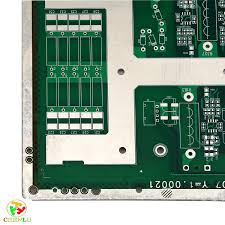
Does Every PCB Manufacturing Assembly Require a Final Visual Inspection?
After the PCB has been aligned and inspected, it is ready to be soldered. This is a critical step, as it ensures that all of the connections are made correctly and that there are no open or shorted wires. In addition, this step can help to identify any areas that need to be cleaned or repaired, which can save time and money in the long run.
While the manual visual inspection was once a vital part of the PCB manufacturing process, it has become obsolete due to advances in technology. In fact, this step is now usually automated and paired with other inspection tools, such as X-rays, to catch errors before they can impact the end result of the product.
When choosing a PCB manufacturer, make sure to choose a turnkey service that offers both manufacturing and assembly at the same facility. This will ensure that all inspections are performed and documented correctly and in a timely manner. This will also help to reduce costs and increase the overall quality of your products.
Employing advanced inspection and testing methods throughout the manufacturing process is critical for early defect detection. Automated Optical Inspection (AOI) and Automated X-ray Inspection (AXI) can identify issues such as misaligned components, solder joint defects, and hidden faults. In-circuit testing (ICT) and functional testing ensure that the assembled PCB meets performance specifications.


