
Fast Turn Printed Circuit Board Assembly
The rapid rise in demand for electronic devices has created a new challenge for manufacturers: keeping up with quantity and quality while meeting fast turnaround needs. This has led to the introduction of quick turn printed circuit board assembly, which helps companies stay competitive by reducing inventories and minimizing warehousing costs. But can this approach be recycled?
To recycle a PCB, it must first be dismantled. This involves breaking the board down into smaller segments to extract components, and employing a variety of physical processing techniques. These include drilling and sorting to remove capacitors, motors, batteries, plugs, semiconductors, and other parts. Some of these components may be hazardous or toxic, so they are often disposed of separately from the rest of the waste. The next step is shredding to increase the surface area of the resulting debris for further processing. This can be done by hand or with specialized equipment such as an eddy current separation machine. The resulting material can then be sorted by magnetic and electric conductivities to obtain various metals, including ferrous and non-ferrous.
Several companies offer services for recycling and disposing of waste electronics. They can also help with repurposing, which extends the life of existing electronics while decreasing the demand for new ones. However, it is important to keep in mind that these processes do not completely eliminate the risk of toxins or environmental pollution. Therefore, it is important to recycle all electronic devices responsibly whenever possible.
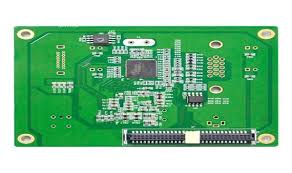
Can Fast Turn Printed Circuit Board Assembly Be Recycled?
The answer to the question of can fast turn printed circuit board assembly be recycled depends on the manufacturer. Some are able to meet strict quality requirements while maintaining their production speed, but others cannot do so without sacrificing quality. It is important to choose a supplier with a proven track record in the field and to discuss their lead times before committing to a contract.
Experienced assemblers can typically deliver prototypes and small batches of PCBs within 24 hours. They can even accommodate expedited orders in some cases, but this will increase the cost. They can reduce programming time by maximizing component standardization/commonality, reusing programming modules for repetitive assemblies, and using software tools to speed up conversion of pick-and-place data.
Some companies offer to recycle e-waste, including waste PCBs, by separating the electronic components from the composites and disposing of them separately. These companies can also repurpose the composites, such as fiberglass and epoxy resin, for use in construction or other applications. This reduces the amount of e-waste that ends up in landfills and improves the environment.
Other recycling methods include chemical and thermal approaches. However, these technologies are less efficient than mechanical recycling methods. In addition, they do not fully eliminate toxic substances such as mercury, lead, cadmium, and polychlorinated biphenyls (PCBs) from the waste stream. Moreover, they have limited success in removing organic materials, which can hinder further recovery of metals. Therefore, it is important to follow design for manufacturing guidelines and choose a trusted assembler that follows strict environmental regulations.