
The idea of turning a single image into a three-dimensional object once sounded like science fiction. Today, advances in artificial intelligence and computer vision have made it increasingly possible. Many creators, designers, and developers now explore whether a picture to 3d model conversion can produce results accurate enough for real projects such as video games, animations, and 3D printing.
Modern AI tools analyze visual information such as depth cues, shapes, lighting, and textures to reconstruct objects digitally. While the technology is still evolving, it has reached a level where surprisingly detailed models can be generated from just one image under the right conditions.
How AI Converts a Picture into a 3D Model
Recent AI systems use machine learning models trained on massive datasets of images and 3D objects. These models learn patterns about how objects exist in three-dimensional space. When a user uploads an image, the software predicts the hidden geometry that cannot be directly seen.
For example, platforms like 3D AI Studio allow users to upload a reference photo or describe an object in text. The system interprets the visual input and generates a usable 3D asset within minutes. Tools like these are designed for people without complex modeling skills, making picture to 3d model workflows accessible to beginners, indie developers, and content creators.
Understanding the AI Reconstruction Process
AI reconstruction typically happens in several stages. First, the software identifies the main subject in the image and separates it from the background. Next, neural networks estimate the depth and shape of the object. Finally, the system builds a mesh and applies textures derived from the original image. The result is a digital object that can be exported into formats compatible with game engines, animation tools, or 3D printers. Many creators visit platforms such as 3daistudio.com to experiment with this process and quickly generate assets for their projects.
Factors That Affect Accuracy
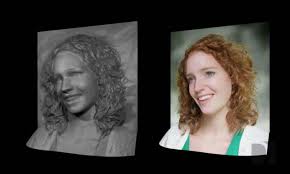
Even though the technology is powerful, accuracy depends on several factors. The clarity of the image plays a major role. High-resolution photos with clear lighting and minimal background distractions allow AI models to understand shapes more effectively. The complexity of the object also matters. Simple items like chairs, mugs, or tools often produce better results when converting a picture to 3d model. Highly intricate objects or images with heavy shadows can create challenges because the AI must guess hidden surfaces.
Another limitation is perspective. Since only one angle is visible, the system must estimate what the unseen sides might look like. Advanced AI models use learned patterns from training data to make these predictions.
Use Cases for Single-Image 3D Generation
Despite limitations, the technology already serves many practical uses. Game developers use it to rapidly prototype props and environmental assets. Designers generate quick concept models before investing time in manual 3D sculpting. Content creators also use picture to 3d model tools to transform sketches or product images into interactive visuals. For e-commerce and digital marketing, this capability is particularly valuable. Businesses can transform product images into interactive 3D displays, improving customer engagement and visualization.
The Role of AI in Future 3D Creation
As artificial intelligence models continue improving, the accuracy of single-image reconstruction will likely increase dramatically. New algorithms can infer missing geometry more realistically and generate cleaner meshes with better textures. In many ways, this approach builds upon principles similar to photogrammetry, a technique used to create 3D models from photographs. However, AI-based methods go further by estimating unseen surfaces even when only one image is available.
Final Thoughts
So, can a single picture to 3d model conversion be generated accurately? The answer is yes—within certain limits. While it may not always produce perfect results for complex objects, modern AI tools can already generate impressive models suitable for many creative and commercial uses. As machine learning technology evolves, converting a picture to 3d model will likely become faster, more precise, and widely adopted across industries ranging from gaming and film production to product design and digital commerce.

