
Using a Reformer Pilates Machine
Unlike mat Pilates, which uses only body weight for resistance, the best reformer pilates machine offers a broader range of exercises using pulleys and springs to create different levels of tension. The sliding carriage and adjustable springs help to engage muscles of the core, arms, legs, and glutes, resulting in improved muscle strength and tone, as well as better posture and balance.
The equipment’s attachments allow it to be used by individuals of almost any fitness level, including those with limited mobility and injuries. For example, a competitive runner who was told to avoid weight-bearing exercise following foot surgery found that Reformer work helped keep her recurring pulled groin, back, and leg muscles at bay.
In addition, the Reformer’s structure supports the body and provides immediate feedback on how the exercises are being performed, ensuring proper alignment and correct technique. This translates to a more effective workout that can be modified as the body adapts, making it ideal for a variety of individuals, from novice athletes and dancers to professional runners and cyclists.
For those with existing back pain, the reformer’s use of controlled movements and the stretching and strengthening that it does to the deep core muscles can help improve posture and increase core strength. Strengthening these muscles can also help to reduce the risk of future back pain, as well as support more efficient movement patterns when exercising and performing daily activities.
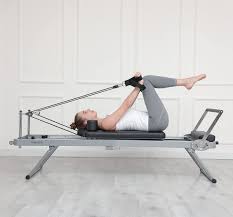
Benefits of Using a Reformer Pilates Machine
Reformer work is also great for improving flexibility and joint stability. The combination of strengthening and stretches on the machine helps to loosen muscles from different angles, while increasing the length of the muscles. A recent study showed that even just two 60-minute Pilates sessions per week over 12 weeks can improve hamstring and quadriceps flexibility.
If you’re thinking about purchasing your own Reformer, it is recommended to consult a certified Pilates instructor. They can provide guidance and instruction on how to properly operate the equipment, as well as offer tips for safely practicing at home. While it’s possible to do many of the same exercises at home, it is often easier to perform them in a studio setting with an experienced instructor watching your form.
Many gyms and studios also offer group Reformer classes, which can be a great way to meet people with similar fitness goals and learn how to use the equipment. As with any group exercise class, it’s important to find an instructor that you connect with and who can teach you the right form.
Investing in the right equipment for your home is one of the best things you can do to ensure that you’re getting the most out of your Pilates practice. While the initial investment may be a big step, it can save you time and money by eliminating the need to travel to a studio for your workouts. It can also be more convenient if you have children or pets that need to be taken care of while you’re working out.