
styles of piano transcriptions
Piano transcription is the process of converting a musical work into a format that can be read and played by other musicians. This might be done by writing out the notes on paper or using music notation software to create a digital file. In other words, a piano transcription converts the musical ideas and intentions of a composer into something that can be easily understood by anyone who can play the piano.
The term “piano transcription” is often used interchangeably with the term piano arrangement, but there is a difference between the two. Piano transcriptions are exact copies of a composition while piano arrangements take some creative liberty with the original score. For example, an arranger might change the chords in a song or even add an entire section to the piece that isn’t written for it.
For example, a jazz pianist might want to write an arrangement of a classical piece for their band. This could be a good way to get a more jazzy feel to an otherwise classical piece, or it might help them to learn some new techniques they wouldn’t be able to play without the full orchestra. Piano transcriptions are also very important to the musician who is interested in learning more about other styles of music. Many modern styles of music have evolved from classical piano technique, and it is important to have a good understanding of how those other genres are played before trying to play them on the piano.
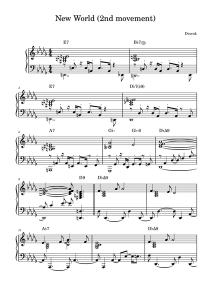
Are there different styles of piano transcriptions?
Probably the best known type of piano transcriptions are those for solo piano pieces. This includes etudes, preludes, polonaises, nocturnes and mazurkas. Many of these pieces have a very structured internal form but they sound improvisatory and expressive. These works were composed by some of the greatest pianists in history, including Scriabin and Liszt.
Other types of piano transcriptions are those for large ensembles. This might include symphonic works, chamber music or works for solo instruments or voices. Many of these works have a very dramatic and expressive quality to them. Johann Sebastian Bach was one of the most prolific composers in this genre, and he helped to usher in the Classical music era with his chorales and fugues.
Finally, there are also many popular piano transcriptions of hit recordings that are available. These are usually for solo piano or just the keyboard part, and they can be extremely helpful to musicians who want to learn how those famous songs are played on the keyboard. Almost all of these transcriptions are note-for-note transcriptions of the actual keyboard parts that were played on the recording, and they can be a great resource for the gigging pianist who wants to sound like a superstar at their next gig! For example, this transcription of the song “Monster Mash” by Leon Russell is a note-for-note transcription of the piano part that was recorded on the album version of the song. It contains all 103 measures of the piano part, and it’s an excellent example of how the great Leon Russell devised his riffs and executed turn-arounds.