
printed circuit boards more expensive than traditional PCBs
The comparison between the cost of assembling printed circuit boards (PCBs) versus traditional PCBs is nuanced and depends on various factors, including the complexity of the design, the manufacturing process, and the volume of production. While PCB assembly typically involves additional steps and resources compared to traditional PCB manufacturing, it also offers several advantages that can offset or justify the higher costs.
One of the primary factors influencing the cost of assembly of printed circuit boards is the complexity of the design. PCB assemblies often involve the integration of numerous electronic components, such as integrated circuits, resistors, capacitors, and connectors, onto a single board. The assembly process requires precise placement and soldering of these components, as well as additional steps such as inspection, testing, and packaging. The complexity of the assembly process increases with the number and diversity of components, leading to higher labor, equipment, and material costs.
Moreover, the volume of production plays a significant role in determining the cost of PCB assembly. High-volume production runs typically benefit from economies of scale, as manufacturers can spread fixed costs, such as setup and tooling expenses, across a larger number of units. As a result, the cost per unit decreases with increasing production volume, making PCB assembly more cost-effective for large-scale manufacturing operations. Conversely, low-volume production runs may incur higher per-unit costs due to reduced economies of scale and increased setup and overhead expenses.
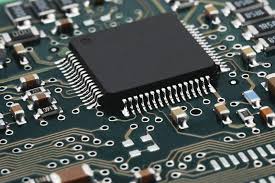
Are assembly of printed circuit boards more expensive than traditional PCBs?
Additionally, the choice of assembly method and technology can impact the cost of PCB assembly. Automated assembly processes, such as surface mount technology (SMT) and pick-and-place machines, offer higher throughput and efficiency compared to manual assembly methods, but they also require significant capital investment in equipment and infrastructure. While automated assembly can reduce labor costs and improve production efficiency in the long run, the initial investment may result in higher upfront costs for manufacturers.
Furthermore, the level of customization and quality requirements can influence the cost of PCB assembly. Custom-designed PCB assemblies with unique specifications and features may require specialized equipment, materials, and processes, leading to higher production costs compared to standardized or off-the-shelf PCBs. Similarly, PCB assemblies intended for high-reliability applications, such as aerospace, automotive, and medical devices, may undergo additional testing, inspection, and quality assurance measures to ensure compliance with stringent industry standards, resulting in higher overall costs.
Despite these potential cost factors, PCB assembly offers several advantages that can justify the higher investment. For instance, PCB assemblies enable the integration of complex circuitry and components onto a single board, reducing the need for additional wiring, connectors, and assembly steps. This compact and integrated design can result in space savings, improved signal integrity, and enhanced reliability, which can translate into long-term cost savings and performance benefits for electronic devices.
Moreover, PCB assembly processes support automation, repeatability, and consistency, which can improve production efficiency, reduce labor costs, and minimize the risk of errors and defects. Automated inspection and testing techniques, such as automated optical inspection (AOI) and in-circuit testing (ICT), help identify and rectify issues early in the production process, reducing the likelihood of costly rework or field failures. Additionally, PCB assemblies can incorporate advanced features, such as surface mount technology (SMT), flexible substrates, and embedded components, which enable innovative and high-performance electronic designs that may justify the higher upfront costs.
In conclusion, the cost of assembling printed circuit boards (PCBs) compared to traditional PCB manufacturing depends on various factors, including the complexity of the design, the volume of production, the choice of assembly method and technology, and the level of customization and quality requirements. While PCB assembly may involve higher upfront costs due to additional labor, equipment, and material expenses, it offers several advantages, such as integrated design, production efficiency, and performance benefits, that can justify the investment for manufacturers seeking to deliver high-quality electronic products to market.


