
flex circuit manufacturers reduce product weight
Reducing the weight of products is a crucial consideration for flex circuit manufacturers, especially as industries like consumer electronics, automotive, aerospace, and medical devices increasingly prioritize lightweight, compact designs. Flexible circuits (flex circuits) are often seen as an ideal solution for reducing product weight due to their inherent flexibility and ability to conform to a wide variety of shapes and sizes. However, manufacturers still employ several strategies to further minimize the weight of these circuits while maintaining their reliability, performance, and durability. This article explores the various methods flex circuit manufacturers use to reduce product weight.
One of the primary ways flex circuit manufacturer reduce weight is through the careful selection of materials. Traditional rigid circuit boards often use thicker and heavier substrates, such as fiberglass or rigid plastics. In contrast, flex circuits utilize lightweight materials such as polyimide or polyester for the base substrate. Polyimide, in particular, is favored for its strength, flexibility, and lightness, making it ideal for applications where weight reduction is a priority. The choice of thinner, high-performance materials can significantly lower the overall weight of the circuit without compromising its mechanical properties or electrical performance.
In addition to selecting lightweight substrates, manufacturers also focus on the thickness of the conductive traces. The conductive traces on a flex circuit are typically made of copper, which is essential for transmitting electrical signals. By reducing the thickness of the copper traces, manufacturers can further reduce the weight of the circuit. However, this must be done carefully, as thinner traces can affect the circuit’s electrical resistance and signal integrity. Manufacturers often balance the trace thickness to maintain optimal electrical performance while reducing weight. Advanced techniques like microvia technology, which allows for smaller holes and connections within the circuit, also contribute to weight reduction by minimizing the amount of copper needed for interconnections.
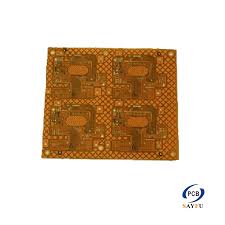
How do flex circuit manufacturers reduce product weight?
Another method for reducing weight is through the use of multi-layer flex circuits, which allow manufacturers to integrate more complex designs while still maintaining a lightweight profile. By stacking multiple layers of flexible material and connecting them using microvias or blind vias, manufacturers can consolidate the functionality of multiple rigid circuit boards into a single, lightweight flexible circuit. This multi-layer design allows for more compact and efficient electronic systems, reducing both the number of components and the overall weight of the product.
The manufacturing process itself also plays a role in weight reduction. For example, flex circuit manufacturers often use laser cutting and etching technologies to precisely define the shape and size of the circuit, ensuring that unnecessary material is removed. Laser etching allows for fine, intricate cuts and patterns, minimizing waste and reducing the overall mass of the circuit. These precise techniques also allow manufacturers to create circuits with fewer interconnects and simpler designs, further contributing to weight savings.
In some cases, manufacturers also employ selective plating techniques to reduce the amount of metal used in the circuit. Selective plating involves applying metal only to the necessary areas of the flex circuit, rather than coating the entire surface. This not only reduces the amount of material used but also minimizes the weight of the final product. By using techniques like selective gold or nickel plating, manufacturers can ensure that the conductive areas receive adequate protection without adding unnecessary weight.
Additionally, the integration of components directly into the flex circuit can reduce the need for additional packaging or mounting structures, further contributing to weight reduction. This integrated approach, often referred to as “embedded components,” allows for components such as resistors, capacitors, or even microchips to be directly embedded into the flexible circuit, eliminating the need for external mounting and reducing both the weight and space required for the final assembly.
In conclusion, reducing the weight of flex circuits involves a combination of material selection, advanced manufacturing techniques, and design innovations. By using lightweight substrates, thinner conductive traces, multi-layer designs, and precision cutting methods, manufacturers can create flex circuits that are not only lighter but also more efficient and compact. These strategies are essential for meeting the demands of industries that prioritize portability, efficiency, and performance, and they ensure that flex circuits continue to play a key role in the development of cutting-edge electronic products.