
flex PCB suppliers manage lead times
The world of PCBs (printed circuit boards) is vast and varied. From standard, rigid to flexible and hybrid versions, these miniature boards have the power to shape tomorrow’s electronic devices, opening up a new path for compact, dependable, and effective design and manufacturing. Achieving this however requires a manufacturer with the right skills, which is why selecting the ideal flex pcb supplier is an extremely crucial step. Here are the best practices for evaluating potential candidates:
The first step is to evaluate your requirements. Pen down your product’s specifications, order size and preferred turnaround time. Then, start looking for suitable options. This can be done via online research, trade shows and exhibitions, directories and listing platforms, or by seeking referrals from other industry professionals. After shortlisting, make sure to check each supplier’s certifications and standards. A reputable manufacturer will possess the relevant industry certificates and adhere to the set quality standards, which ensures that your device meets local safety regulations.
Another important consideration is the fabrication capability and capacity of your selected manufacturer. The process of fabricating a flex circuit board is different from that of a traditional rigid flex pcb supplier and involves several additional steps. Therefore, the production lead times for a flex circuit board are significantly longer than that of a rigid PCB. This is why it is essential to select a reliable and experienced manufacturer that can manage the production of a flex circuit board within your desired timeline.
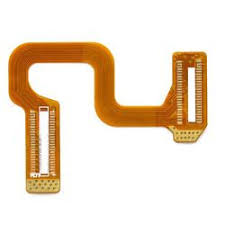
How do flex PCB suppliers manage lead times?
When evaluating the capabilities of a prospective flex pcb manufacturer, be sure to verify their technical capabilities and quality systems through past customer reviews and product samples. Moreover, it’s a good idea to schedule a facility audit to directly observe the company’s manufacturing processes, and assess their level of expertise and flexibility. Additionally, be sure to build open communication with your potential partners and align goals, which helps in addressing any issues that may arise during the course of the project.
Once the evaluation and shortlisting stages are complete, it’s time to get down to business by requesting quotes from your shortlisted manufacturers. Then, compare prices and production lead times to find the optimal solution that fits your needs. Be sure to negotiate with your providers and discuss pricing and availability of special materials in your flex circuit boards as these can significantly affect your overall cost.
Other special requests can include adding adhesive tape to specific areas of the flex circuit board to stick it onto a substrate, or adding what is known as a stiffener. This is a rigid material (typically FR4) added to specified parts of the flex circuit board to increase the thickness. Finally, your final step is to conduct an electrical test to ensure that the circuit boards meet your specifications. You can also opt for a mechanical test to assess the stability of the flex circuit boards, which is done by pressing on the center of the circuit board to see how it deforms.

