
connectors integrated into an ordering pcb
Connectors serve as the vital link between electronic components, facilitating the transfer of data, signals, and power within a system. The integration of connectors into printed circuit boards (PCBs) is a critical aspect of electronic design, influencing factors such as functionality, reliability, and manufacturability. In the realm of ordering PCBs, where rapid prototyping and low-volume production are commonplace, the process of integrating connectors requires careful consideration and strategic planning.
The first step in integrating connectors into an ordering pcb is selecting the appropriate connector type based on the specific requirements of the application. Connectors come in a myriad of shapes, sizes, and configurations, each tailored to accommodate different signal types, voltage levels, and environmental conditions. Whether it’s a board-to-board connector, wire-to-board connector, or edge connector, the choice of connector hinges on factors such as signal integrity, space constraints, mating cycles, and mechanical robustness.
Once the appropriate connector type has been selected, the next step is designing the PCB layout to accommodate the connectors. This involves determining the placement and orientation of connectors on the PCB, taking into account factors such as signal routing, mechanical clearance, and accessibility for assembly and maintenance. Careful consideration must also be given to the arrangement of other components on the PCB to ensure optimal functionality and ease of assembly.
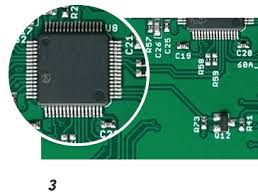
How are connectors integrated into an ordering pcb?
Incorporating connectors into the PCB layout entails creating footprint designs that accurately match the physical dimensions and pin configurations of the chosen connectors. Modern PCB design software offers libraries of standardized connector footprints, streamlining the process of footprint creation and ensuring compatibility with industry-standard connectors. Designers can also leverage custom footprint creation tools to tailor connector footprints to specific requirements, ensuring a precise fit and optimal electrical performance.
Once the connector footprints have been defined, the next step is routing traces to establish electrical connections between the connectors and other components on the PCB. Signal integrity is paramount in connector routing, necessitating careful attention to trace impedance, length matching, and signal crosstalk. Differential pair routing techniques may be employed for high-speed signals to minimize signal distortion and ensure reliable data transmission.
In addition to electrical considerations, mechanical stability and robustness are essential factors in connector integration. Mechanical features such as mounting holes, alignment guides, and retention clips may be incorporated into the PCB design to ensure secure attachment and proper alignment of connectors during assembly and operation. Furthermore, consideration must be given to factors such as shock and vibration resistance, especially in applications subject to harsh environmental conditions.
During the assembly process, connectors are affixed to the PCB using soldering or press-fit techniques, depending on the connector type and PCB substrate material. Automated assembly equipment may be employed for high-volume production runs, while manual assembly techniques may be utilized for low-volume or prototype builds. Quality control measures such as visual inspection, continuity testing, and signal integrity analysis are performed to verify the integrity and functionality of the integrated connectors.
In conclusion, the integration of connectors into ordering PCBs is a multifaceted process that requires careful consideration of electrical, mechanical, and manufacturability factors. By selecting appropriate connector types, designing precise footprint layouts, routing traces for optimal signal integrity, and ensuring mechanical stability during assembly, designers can seamlessly incorporate connectors into ordering PCBs, enabling robust and reliable electronic systems for a myriad of applications.